


As a supplier of Rear Contact Solar Cells, I often encounter inquiries about the differences between heterojunction and homojunction rear contact solar cells. In this blog, I'll delve into these differences, exploring their structures, performance characteristics, manufacturing processes, and applications to help you make informed decisions when choosing solar cells for your projects.
Structure
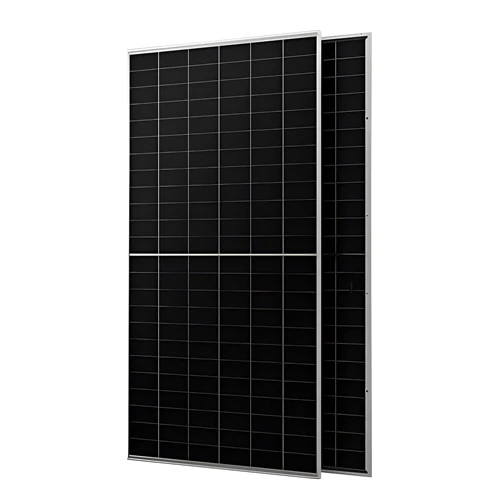
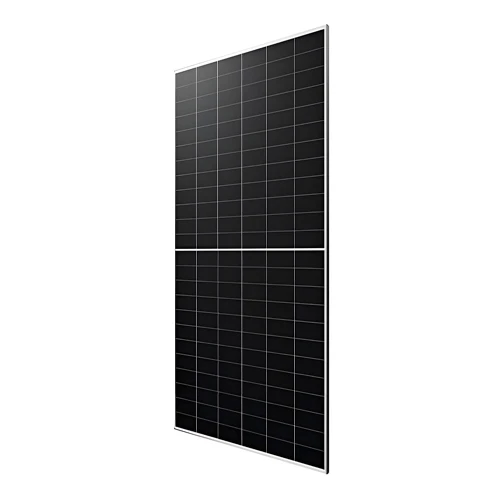
The structure of a solar cell plays a crucial role in its performance. Homojunction rear contact solar cells are typically made from a single semiconductor material, usually silicon. In a homojunction cell, the p - n junction is formed within the same semiconductor material by doping different regions with impurities. For example, one region is doped with a p - type impurity (such as boron) to create a positive charge carrier - rich area, and another region is doped with an n - type impurity (such as phosphorus) to create a negative charge carrier - rich area. The contacts in a homojunction rear contact solar cell are located on the back side of the cell, which helps to reduce shading losses on the front surface and improve the overall efficiency.
On the other hand, heterojunction rear contact solar cells are composed of different semiconductor materials. A common configuration is the combination of amorphous silicon and crystalline silicon. The heterojunction is formed at the interface between these two different materials. This structure allows for better control of the energy bands and can potentially lead to higher open - circuit voltages and better performance in low - light conditions. Similar to homojunction rear contact cells, the contacts in heterojunction rear contact solar cells are also placed on the back side, enhancing the aesthetic appeal and reducing front - side shading.
Performance Characteristics
Efficiency
Heterojunction rear contact solar cells generally have a higher efficiency potential compared to homojunction rear contact solar cells. The unique structure of heterojunction cells, with the combination of different semiconductor materials, allows for better charge carrier separation and collection. The amorphous silicon layer in heterojunction cells can passivate the surface of the crystalline silicon, reducing recombination losses. As a result, heterojunction rear contact solar cells can achieve higher conversion efficiencies, often reaching over 25%. In contrast, homojunction rear contact solar cells typically have efficiencies in the range of 20 - 23%.
Temperature Coefficient
The temperature coefficient is an important parameter that indicates how the performance of a solar cell changes with temperature. Heterojunction rear contact solar cells have a lower temperature coefficient compared to homojunction rear contact solar cells. This means that as the temperature rises, the efficiency of heterojunction cells decreases at a slower rate. In hot climates, heterojunction cells can maintain a relatively higher power output, making them more suitable for regions with high ambient temperatures.
Low - Light Performance
Heterojunction rear contact solar cells also exhibit better performance in low - light conditions. The amorphous silicon layer in heterojunction cells can absorb light at different wavelengths more effectively, especially in the infrared and near - infrared regions. This allows heterojunction cells to generate electricity even in cloudy or overcast weather, while homojunction cells may experience a more significant drop in performance under such conditions.
Manufacturing Processes
The manufacturing processes of heterojunction and homojunction rear contact solar cells are quite different.
Homojunction Rear Contact Solar Cells
The manufacturing of homojunction rear contact solar cells starts with a single - crystal or multi - crystal silicon wafer. The wafer is first cleaned and then undergoes a doping process to form the p - n junction. This is usually done through a high - temperature diffusion process, where impurities are introduced into the silicon wafer. After the doping, the back - side contacts are formed using a metal deposition process, such as screen printing or physical vapor deposition. The front surface of the cell is often coated with an anti - reflective layer to improve light absorption.
Heterojunction Rear Contact Solar Cells
The manufacturing of heterojunction rear contact solar cells is more complex. It begins with a crystalline silicon wafer, which is then passivated with a thin layer of amorphous silicon. This is typically done using a plasma - enhanced chemical vapor deposition (PECVD) process. After the amorphous silicon layer is deposited, additional layers, such as transparent conductive oxides (TCOs), are added to improve charge carrier transport. The back - side contacts are then formed, similar to homojunction cells, using metal deposition techniques. The more complex manufacturing process of heterojunction rear contact solar cells also contributes to their higher cost compared to homojunction cells.
Applications
Both heterojunction and homojunction rear contact solar cells have their own applications based on their performance characteristics and cost.
Homojunction Rear Contact Solar Cells
Homojunction rear contact solar cells are widely used in large - scale solar power plants and residential solar installations. Their relatively lower cost makes them a cost - effective option for these applications. They are also suitable for areas with moderate sunlight conditions, where the efficiency difference between homojunction and heterojunction cells may not be as significant. For more information on different types of back - contact solar cells, you can visit All Back Contact Solar Cells.
Heterojunction Rear Contact Solar Cells
Heterojunction rear contact solar cells are often used in high - end solar applications, such as rooftop solar installations for commercial buildings and off - grid solar systems. Their high efficiency and better performance in low - light and high - temperature conditions make them ideal for these demanding applications. If you are interested in a specific type of back - contact solar cell, you can check out Back Contact Sunpower and Interdigitated Back Contact Solar Cells.
Cost Considerations
The cost of solar cells is a significant factor in the decision - making process. Homojunction rear contact solar cells are generally more cost - effective due to their simpler manufacturing process and the use of a single semiconductor material. The raw materials and production equipment for homojunction cells are more widely available and less expensive.
Heterojunction rear contact solar cells, on the other hand, are more expensive. The use of different semiconductor materials and the more complex manufacturing process contribute to the higher cost. However, as the technology matures and economies of scale are achieved, the cost of heterojunction rear contact solar cells is expected to decrease over time.
Conclusion
In conclusion, both heterojunction and homojunction rear contact solar cells have their own advantages and disadvantages. Heterojunction rear contact solar cells offer higher efficiency, better low - light and high - temperature performance, but come with a higher cost. Homojunction rear contact solar cells are more cost - effective and are suitable for a wide range of applications. When choosing between these two types of solar cells, it is important to consider factors such as the location of the installation, budget, and specific performance requirements.
As a supplier of Rear Contact Solar Cells, we can provide you with high - quality products and professional advice. Whether you are interested in homojunction or heterojunction rear contact solar cells, we are here to help you find the best solution for your solar project. If you have any questions or are interested in purchasing our products, please feel free to contact us for a detailed discussion.
References
- Green, M. A., Emery, K., Hishikawa, Y., Warta, W., & Dunlop, E. D. (2019). Solar cell efficiency tables (version 54). Progress in Photovoltaics: Research and Applications, 27(2), 105 - 116.
- Sivaram, V., & Heath, G. A. (2018). Global potential for solar photovoltaics. Annual Review of Environment and Resources, 43, 39 - 64.


